


4G/5G DTU Module
I. 4G/5G DTU Modules:
The 4GDTU module connects to various devices, such as sensors and PLCs, via interfaces like RS232 and RS485 to collect, process, and compress data. It then converts the serial port data into IP data and transmits it over a 4G network to a cloud platform or server. It supports multiple protocols, including TCP, UDP, HTTP, and MQTT, and can integrate with various cloud platforms, such as Alibaba Cloud. It also features remote management capabilities such as remote parameter configuration, firmware upgrades, and fault diagnosis. Some models support cell tower location tracking and employ data encryption and other technologies to ensure transmission security. Network bands typically include LTE-TDD and LTE-FDD, with maximum downlink speeds of up to 150 Mbps and uplink speeds of up to 50 Mbps. The operating temperature range is generally -30°C to +75°C, and it supports a wide input voltage range. Power consumption during data transmission is approximately 258 mA (+9 V), dropping to as low as 3 mA in sleep mode. They are widely used in fields such as industrial automation, smart agriculture, intelligent transportation, and energy management. For example, in industrial automation, they can collect real-time data from production equipment; in smart agriculture, they enable precision irrigation; in intelligent transportation, they can be used for bus scheduling; and in energy management, they can monitor the operational data of power equipment.
II. Application Scenarios
1. Industrial Internet of Things (IIoT)
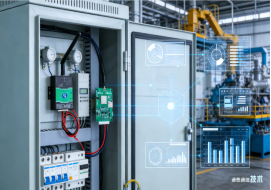
i. Remote Equipment Monitoring: Collects real-time data from industrial equipment such as PLCs, sensors, and meters, and uploads it to a cloud platform.
ii. Communication at Unmanned Sites: Enables stable data transmission via 4G in remote areas such as substations, pump stations, and oil and gas wellheads.
iii. Industrial DTU/RTU: 4G DTUs (Data Transmission Units) are used to connect serial-port devices wirelessly, supporting protocols such as Modbus and TCP pass-through.
2. Smart Grids and Energy Management
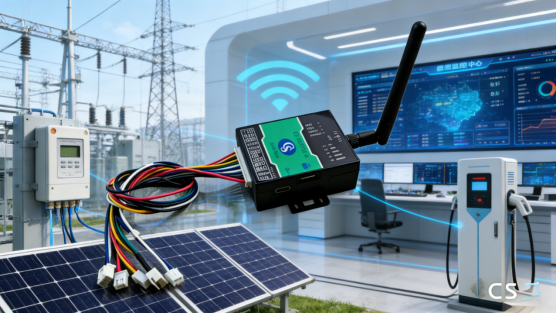
i. Remote meter reading for smart electricity, water, and gas meters.
ii. Automatic, scheduled reporting of consumption data, replacing manual meter reading.
iii. Monitoring of distributed solar and wind power systems.
iv. Monitoring of power generation efficiency, inverter status, fault alerts, etc.
v. Networked Management of EV Charging Stations.
vi. Supports remote start/stop, billing, status monitoring, and OTA updates.
3. Smart Transportation and Vehicle-to-Everything (V2X)
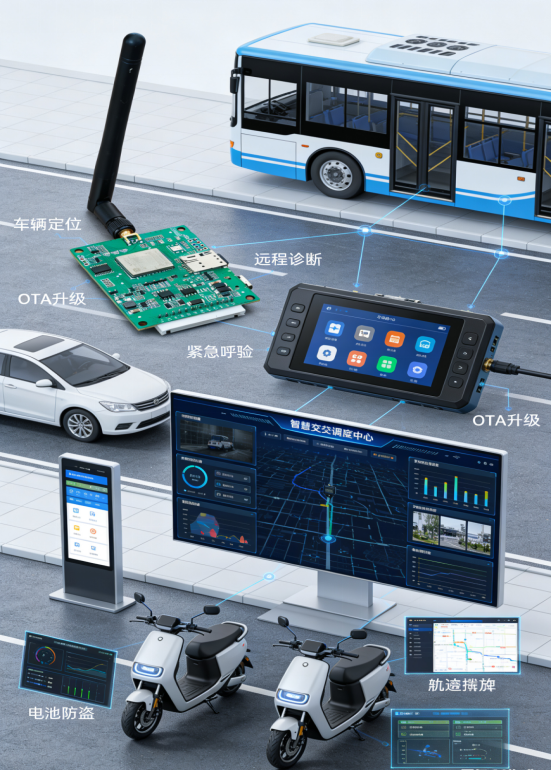
i. In-Vehicle Terminal (T-Box).
ii. Enables vehicle positioning, remote diagnostics, emergency calls (eCall), and OTA updates.
iii. Bus/Taxi Dispatch Systems.
iv. Real-time location tracking, video transmission, and electronic bus stop sign updates.
v. Monitoring of two-wheeled and three-wheeled electric vehicles.
vi. Battery anti-theft protection, route playback, and geofencing.
4. Smart Cities and Public Infrastructure
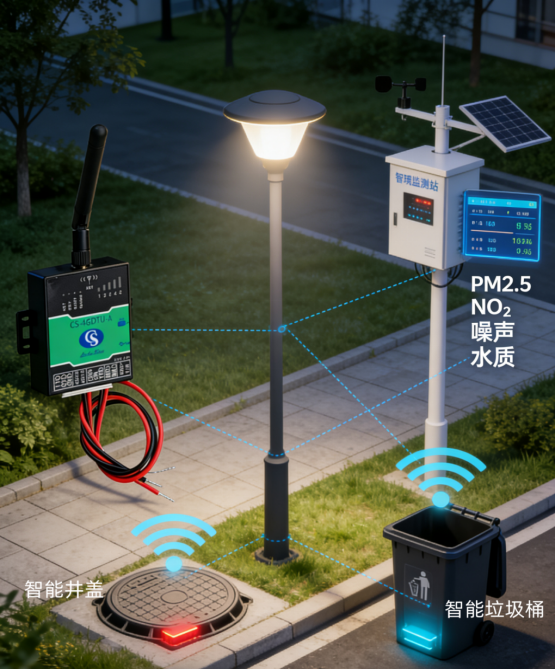
i. Smart Streetlight Control.
ii. On-demand dimming, fault reporting, and energy consumption tracking.
iii. Environmental Monitoring Stations.
iv. Data transmission from sensors measuring air quality (PM2.5, NO₂, etc.), noise, water quality, and other parameters.
v. Smart Manhole Cover/Trash Can Monitoring.
vi. Alerts for unauthorized opening and overflow detection, improving the efficiency of municipal operations and maintenance.
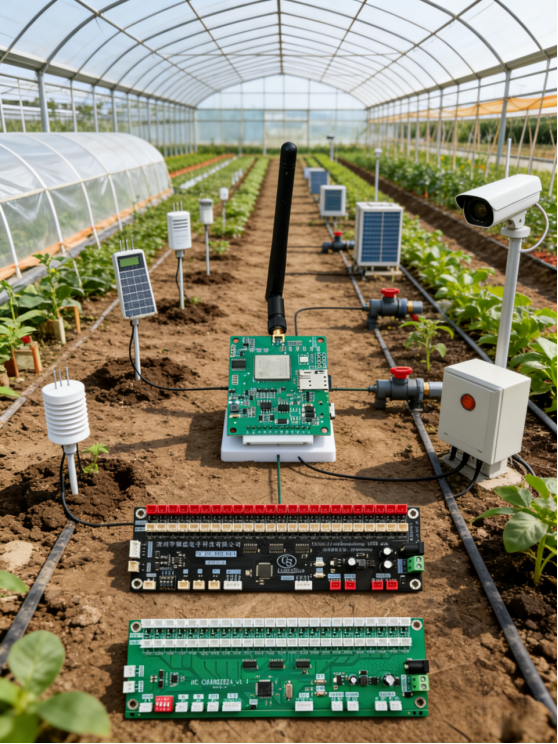
5. Smart Agriculture
i. Farmland/greenhouse environmental monitoring.
ii. Wireless transmission of data on soil temperature and humidity, light intensity, CO₂ concentration, and other parameters.
iii. Smart irrigation control.
iv. Automatic activation and deactivation of water pumps based on weather and soil data.
v. Livestock farming management.
vi. Livestock tracking collars, body temperature monitoring, and estrus detection.
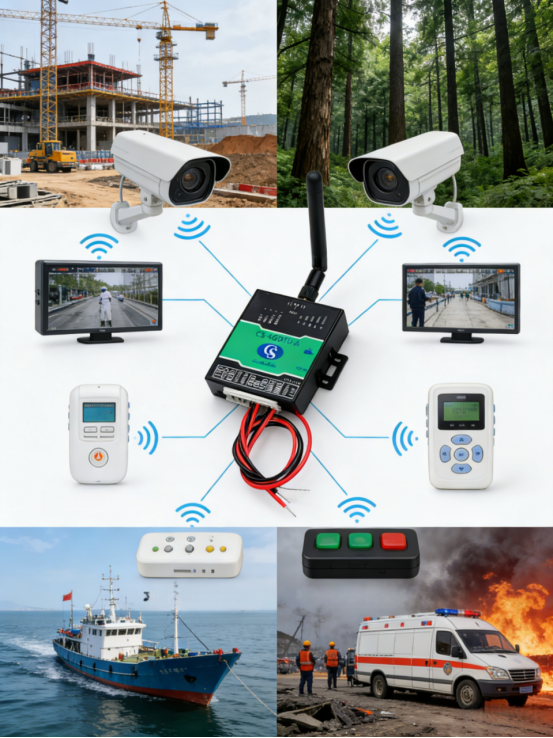
6. Security and Emergency Communications
i. Video Surveillance (4G Cameras).
ii. Suitable for areas without network coverage or where wiring is difficult (e.g., construction sites, forests, fishing boats).
iii. One-Button Alarm Devices.
iv. Medical call buttons, fall detectors for the elderly, campus safety buttons, etc.
v. Emergency Command and Control Communications.
vi. Temporary communications support at disaster sites, supporting voice, location tracking, and image transmission.
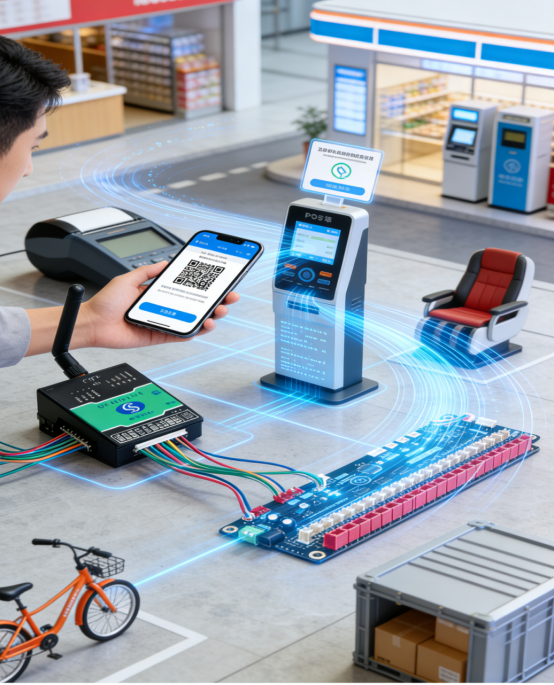
7. Consumer Electronics and Commercial Applications
i. POS terminals/mobile payment terminals.
ii. Rely on 4G for real-time encrypted transmission of transaction data.
iii. Shared devices (bicycles, power banks, massage chairs).
iv. Device status management, user QR code unlocking, billing, and settlement.
v. Logistics tracking terminals.
vi. Cold chain temperature control, cargo location, and door status monitoring.
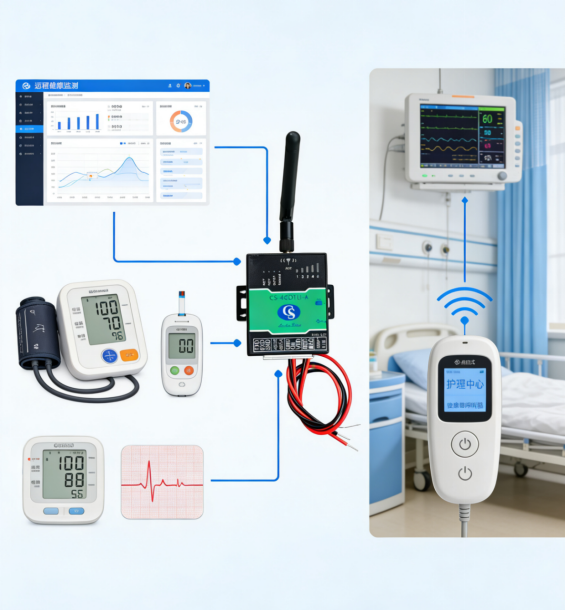
8. Healthcare (Non-Diagnostic)
i. Remote health monitoring devices.
ii. Blood pressure monitors, blood glucose meters, ECG patches, and other devices upload data to health management platforms.
iii. Portable patient-nurse call systems.
iv. Emergency assistance in hospital wards or nursing homes, with direct 4G connectivity to care centers.
III. Technical Specifications Overview
1. Technical Specifications
1.1 Electrical Characteristics
• Parameter Item Specifications
• Supply Voltage: DC 6–30 V (wide-voltage design)
• Standby Power Consumption: ≤2 W
1.2 Communication Interfaces
• Interface Type Specifications Description
• TTL Serial Port: Baud rate 1200–921,600 bps (configurable)
• RS485: Supports pass-through and Modbus RTU protocols
• MQTT: Supports TLS-encrypted transmission
• TCP: Supports persistent connections and heartbeat packets
1.3 Control Functions
• Motor Drive
- Supports 3V–12V DC motors
- Maximum output current: 4.2A
- Control commands: Start/Stop, Forward/Reverse
• Electronic Lock Control
- Supports control of electronic locks such as electric plug locks, magnetic locks, and cabinet locks with a 12V operating voltage and a latching current of up to 10A
- Features lock status detection
2. Detailed Features
2.1 Signal Strength Indication
• 5-level LED indicator
• Supports periodic reporting of signal strength
2.2 Remote Management
• OTA updates
• Parameter configuration: Provides a configuration data interface
2.3 System Stability
• External, independent watchdog
• Automatic restart in case of anomalies; restart time < 5 s
3. Mechanical Dimensions
• External Dimensions (excluding antenna): 66 mm (L) × 53 mm (W) × 25 mm (H)
• Housing Material: ABS
• Mounting Method: Wall-mount screw holes
4. Environmental Adaptability
• Specifications
• Operating Temperature: -20°C to +70°C
